


PMI Foam in Medical Devices: Lightweight, Durable Solutions for Modern Healthcare
time:
2025-06-18 17:51
source:


In the fast-evolving world of medical technology, material selection plays a crucial role in enhancing device performance, patient comfort, and overall safety. One material gaining increasing attention is PMI foam (Polymethacrylimide foam), known for its lightweight structure, high mechanical strength, and excellent thermal stability.
While PMI foam has long been used in aerospace and automotive applications, its unique properties are now being leveraged in the medical device industry , especially for equipment that requires both structural integrity and biocompatibility.

Why PMI Foam is Ideal for Medical Applications
Medical devices often need to balance durability with weight reduction—especially when designed for mobility or long-term use. PMI foam provides several key advantages:
Lightweight yet strong : Its low density reduces the overall weight of devices without compromising strength.
Thermal resistance : Maintains structural integrity under varying temperatures, ideal for sterilization processes.
Chemical resistance : Resists degradation from cleaning agents and disinfectants commonly used in healthcare settings.
Dimensional stability : Ensures consistent performance over time, critical for precision instruments and support structures.
Biocompatible options available : Some PMI formulations meet ISO 10993 standards, making them suitable for direct or indirect patient contact.
These features make PMI foam an excellent core material for composite sandwich structures used in a variety of medical equipment.
Key Applications in Medical Devices
Patient Support Systems
In hospital beds, operating tables, and MRI/CT scanner couches, PMI foam is used as a core material in composite panels. It offers the necessary load-bearing capacity while remaining light enough for easy adjustment and transport.
Orthopedic and Prosthetic Devices
For braces, prosthetics, and orthotic supports, PMI foam contributes to lighter, more comfortable designs. Its moldability allows for customized fitting, improving user experience and mobility.
Portable Diagnostic Equipment
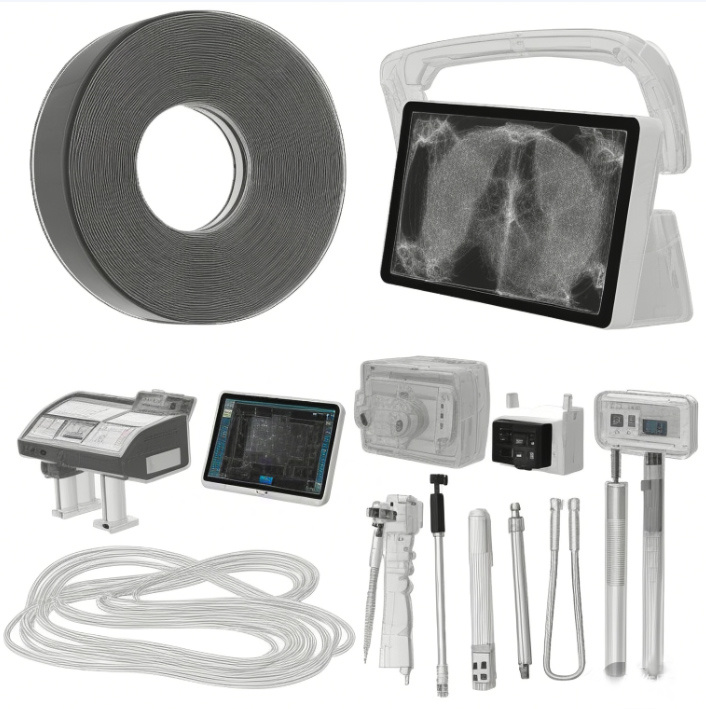
Devices such as portable ultrasound machines and mobile X-ray units benefit from PMI foam-based enclosures that protect sensitive electronics while keeping the unit lightweight and durable.
Surgical Positioning Aids
Surgical positioning pads and immobilizers made with PMI foam provide reliable support during procedures, combining comfort with sterility and ease of cleaning.
Rehabilitation Equipment
From therapy chairs to assistive mobility aids, PMI foam helps create robust yet lightweight structures that enhance usability and portability.
Sustainability and Future Potential
As the healthcare industry moves toward more sustainable practices, PMI foam’s long service life and recyclable potential contribute to reduced waste and environmental impact. Manufacturers are also exploring bio-based PMI foam alternatives to further align with green healthcare goals.
With ongoing advancements in manufacturing techniques and material science, PMI foam is expected to play an even greater role in next-generation medical devices—offering innovative solutions that improve both functionality and patient outcomes.
PMI foam,PMI,Polymethacrylimide
Latest News