


PMI Foam: A Lightweight Revolution in Medical Device Innovation
time:
2025-04-15 15:28
source:


Polymethacrylimide (PMI) foam, renowned for its exceptional strength-to-weight ratio, dimensional stability, and machinability, has been making significant strides beyond its traditional applications in aerospace and automotive industries. Its unique combination of properties is increasingly being recognized for its potential to revolutionize various aspects of the medical field. This article delves into the emerging applications of PMI foam in the medical domain, highlighting its advantages and the impact it is poised to have on patient care and medical device innovation.
One of the most promising areas for PMI foam in medicine lies in the development of prosthetic and orthotic devices. The lightweight nature of PMI foam is a significant advantage for individuals requiring these aids, as it reduces the overall burden and enhances comfort during daily use. Prosthetic limbs made with PMI foam cores can be significantly lighter than those constructed with traditional materials, allowing for greater mobility and reduced fatigue for the wearer. Furthermore, the high strength and stiffness of PMI foam ensure the structural integrity and durability of these devices, providing reliable support and functionality. Orthotic braces and supports can also benefit from the lightweight and contourable nature of PMI foam, offering customized and comfortable solutions for patients with musculoskeletal conditions.
Another key application for PMI foam is in the manufacturing of medical device components. The material's excellent machinability allows for the creation of intricate and precise parts required in various medical instruments and equipment. Its dimensional stability ensures that these components maintain their shape and functionality over time, which is crucial for the reliable operation of medical devices. Moreover, certain grades of PMI foam exhibit good biocompatibility, making them suitable for applications involving direct or indirect contact with patients. This opens up possibilities for using PMI foam in surgical instruments, diagnostic equipment, and even components of implantable devices, pending rigorous biocompatibility testing and regulatory approvals.
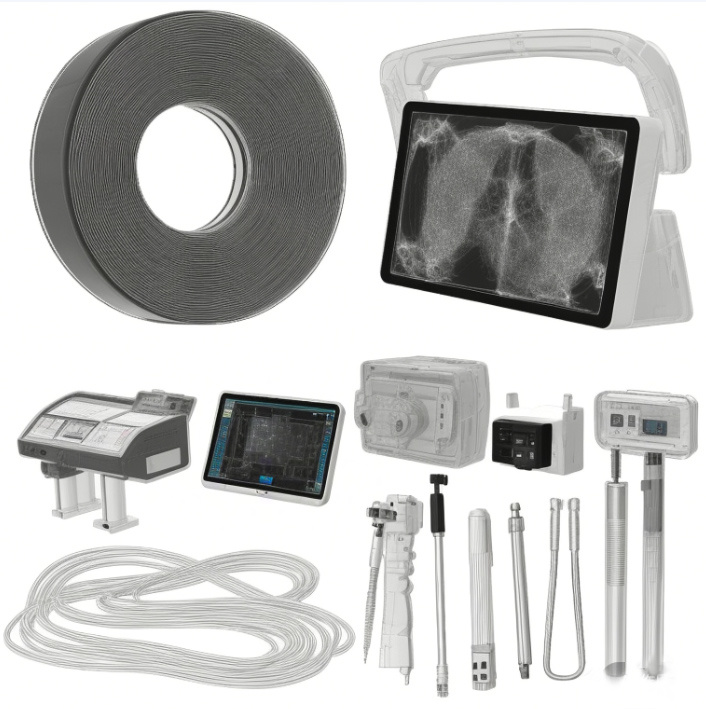
Patient positioning aids represent another significant area where PMI foam is proving to be highly beneficial. In medical imaging procedures like MRI and CT scans, as well as during surgical procedures, precise and comfortable patient positioning is essential for accurate diagnosis and treatment. PMI foam blocks, wedges, and supports can be custom-shaped to provide optimal patient positioning, ensuring stability and comfort during potentially lengthy procedures. The radiolucent properties of PMI foam are particularly advantageous in imaging applications, as they do not interfere with the image quality, leading to more accurate diagnostic outcomes. The lightweight nature of these positioning aids also makes them easy for medical personnel to handle and adjust.
The hygienic properties of certain PMI foam grades further enhance their suitability for medical applications. Many PMI foams are closed-cell, which means they do not absorb liquids or harbor bacteria, making them easy to clean and sterilize. This is a critical factor in maintaining a sterile environment in hospitals and clinics, reducing the risk of infections. The durability of PMI foam also ensures that these medical devices and aids can withstand repeated cleaning and sterilization processes without degradation.
Beyond these core applications, PMI foam is also being explored for its potential in drug delivery systems and tissue engineering scaffolds. The porous structure of some PMI foam variants can be tailored to control the release of drugs or to provide a framework for cell growth and tissue regeneration. While research in these areas is still in its early stages, the unique properties of PMI foam offer promising avenues for future advancements in these critical medical fields.
The advantages of using PMI foam in medical applications are numerous. Its lightweight nature improves patient comfort and device portability. Its high strength and stiffness ensure structural integrity and reliable performance. Its machinability allows for the creation of complex and customized components. Its dimensional stability guarantees long-term functionality. Its biocompatibility (in certain grades) opens doors for direct patient contact applications. And its hygienic properties contribute to infection control.
In conclusion, PMI foam is emerging as a versatile and valuable material in the medical field, offering a unique combination of properties that address various challenges in medical device design and patient care. From lightweight prosthetics and orthotics to precise medical instrument components and comfortable patient positioning aids, PMI foam is driving innovation and improving outcomes. As research and development continue to explore the full potential of this remarkable material, we can expect to see even more groundbreaking applications of PMI foam in the medical domain, ultimately leading to enhanced patient well-being and advancements in healthcare technology.
Polymethacrylimide ,PMI foam
Latest News