


PVC Foam Market Trends, Sustainability, and Future Outlook
time:
2025-05-09 11:52
source:


The global PVC foam market is experiencing steady growth, driven by demand from construction, automotive, and advertising industries. With increasing emphasis on lightweight, sustainable, and cost-effective materials, PVC foam is emerging as a key player in replacing wood, metals, and solid plastics.
Current Market Trends
1. Rising Demand in Construction
- PVC foam boards are increasingly used in modular construction due to their lightweight, thermal insulation, and moisture resistance.
- Replacing plywood and MDF in wall panels, flooring, and false ceilings.
2. Growth in Advertising & Retail
- The signage industry prefers PVC foam for CNC-cut letters, exhibition stands, and POP displays.
- Digital printing on PVC foam boards is growing due to high-resolution output.
3. Automotive Lightweighting Trends
- Automakers use PVC foam for interior trims, door panels, and dashboards to reduce vehicle weight and improve fuel efficiency.
4. Marine Industry Adoption
- Shipbuilders use PVC foam for boat interiors, decks, and buoyancy aids due to its water resistance and durability.
Sustainability & Environmental Concerns
Despite its advantages, PVC foam faces criticism due to:
1. PVC and Chlorine Content
- Traditional PVC contains chlorine, raising concerns about dioxin emissions during incineration.
- Manufacturers are shifting to additive-free, lead-free stabilizers for safer production.
2. Recycling Challenges
- PVC foam is technically recyclable, but collection systems are underdeveloped.
- Mechanical recycling (grinding and reprocessing) is the most common method.
- Chemical recycling (breaking down into raw materials) is emerging but costly.
3. Biodegradable Alternatives
- Some companies are developing bio-based PVC foams using plant-derived plasticizers.
- However, performance and cost remain barriers to widespread adoption.
Future Outlook
1. Increased Use in Green Buildings
- PVC foam with recycled content will gain traction in LEED-certified constructions.
- Fire-retardant and low-VOC grades will see higher demand.
2. Advancements in Recycling Technology
- Improved sorting and chemical recycling methods will enhance sustainability.
- Closed-loop recycling programs may become industry standards.
3. Expansion in Emerging Markets
- Asia-Pacific (China, India) will drive demand due to rapid urbanization and construction growth.
- Middle East & Africa will see increased use in marine and infrastructure projects.
Conclusion
The PVC foam market is poised for growth, supported by its versatility, lightweight nature, and cost efficiency. While environmental concerns remain, advancements in recycling and bio-based formulations are making PVC foam more sustainable. As industries continue to seek high-performance alternatives, PVC foam will remain a key material in multiple sectors.
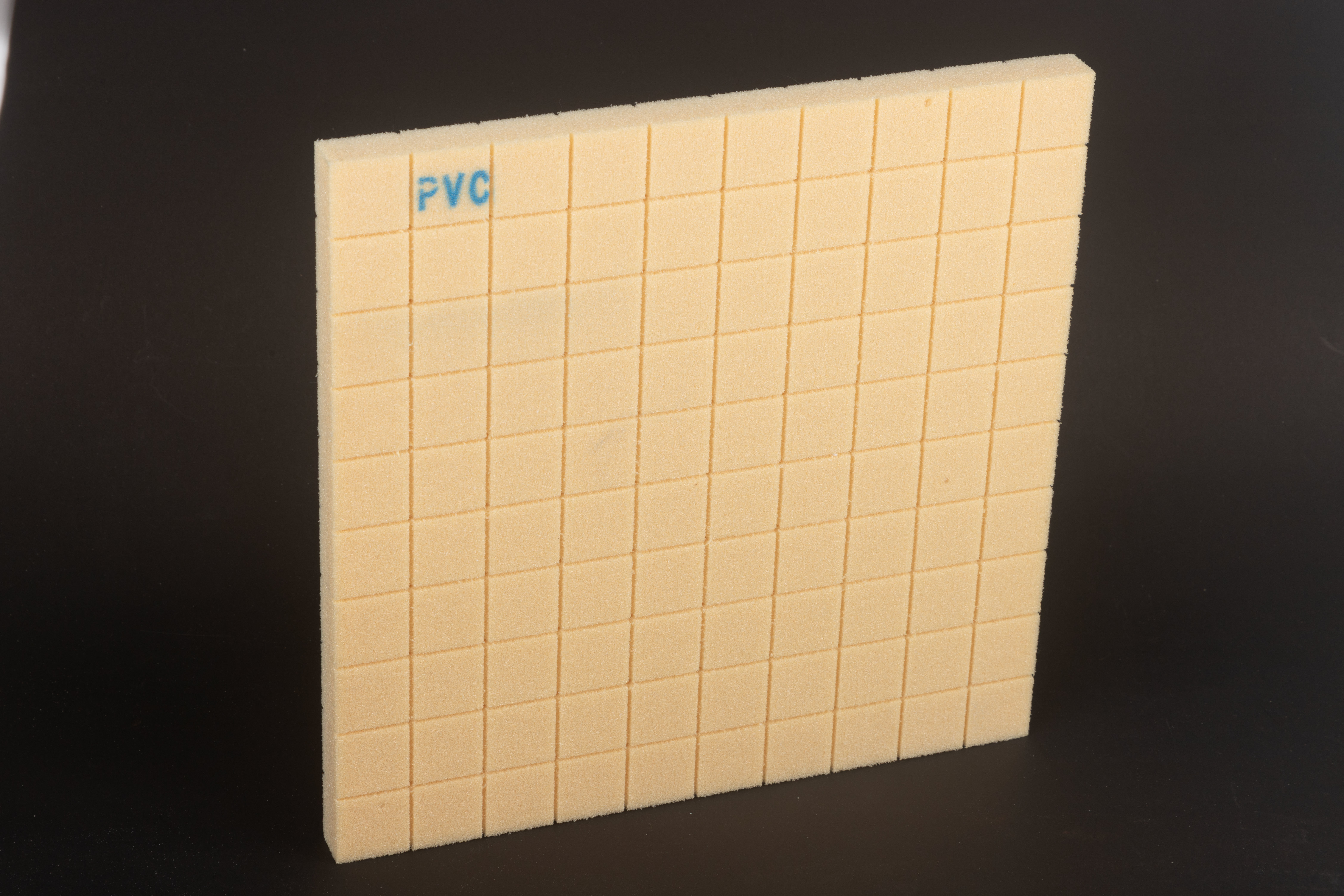
PVC foam
Latest News